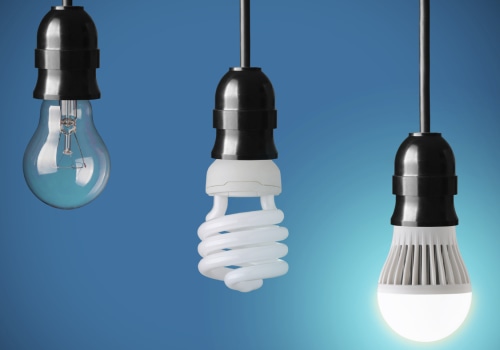
Low-heat LED systems have transformed residential and commercial lighting by reducing energy consumption, lowering surface temperatures, and extending fixture lifespans. Yet their very efficiency introduces an overlooked set of safety challenges for cleaning professionals. Many traditional cleaning practices were developed when incandescent fixtures ran hot and could burn off moisture or residue almost instantly. LEDs, by contrast, operate at lower temperatures and rely on delicate driver electronics, heat sinks, and optical lenses that do not tolerate moisture, abrasion, or chemical exposure well. This makes cleaning around them more complex than simply dusting a bulb or wiping a fixture. It demands awareness of electrical tolerances, heat dissipation pathways, and the photometric surfaces that control beam spread and color accuracy.
Sensitive Components and Moisture Risk
Unlike legacy bulbs, LED fixtures house circuit boards and drivers that regulate current and protect diodes from failure. These components are often integrated into compact housings with vents designed to dissipate heat. During cleaning, moisture can easily wick into these vents if sprayers or wet cloths are used indiscriminately. Because LEDs don’t get hot enough to evaporate moisture quickly, droplets can linger, corroding contacts over time. Cleaning staff must also consider capillary action: in narrow residential downlights or commercial troffers, even minimal liquid residue can migrate to drivers. This makes dry, microfiber-based methods and controlled vacuuming more suitable than standard spray-and-wipe routines.
Optical Surfaces and Abrasion Hazards
LED optics are another challenge. Many fixtures use polycarbonate or acrylic lenses to shape light and protect diodes. These materials scratch far more easily than glass, and micro-abrasions cause light diffusion issues, color shift, and reduced lumen output. Harsh chemicals can also yellow plastics or degrade anti-reflective coatings. The safety concern here is dual: preserving lighting performance and maintaining visibility in work environments. Reduced luminance or glare control can create trip hazards in commercial corridors, warehouses, or stairwells long after the cleaning event occurred.
Electrical Isolation and Disassembly Decisions
In some scenarios, cleaning requires partial disassembly—removing trims, bezels, or diffusers. This introduces electrical exposure risk if fixtures are not properly powered down or if staff are unaware of low-voltage vs. line-voltage circuits. LEDs often pair with motion sensors, dimmers, and smart-control modules that retain standby power, meaning “off” does not always guarantee safe contact. Training must address breaker-level isolation and labeling standards that differ across buildings and fixture vintages.
Facility-Scale Considerations
Commercial and industrial properties amplify these concerns. High ceilings, large fixture quantities, and mixed lighting technologies require coordinated workflows so that mechanical lifts, ladder placement, and electrical lockout procedures integrate smoothly with cleaning tasks. Moisture-sensitive LEDs installed in refrigerated spaces or exterior soffits present additional condensation challenges, making timing and humidity control essential. This is why facilities management increasingly bundles lighting maintenance with specialized cleaning protocols rather than treating them as separate functions. In major metropolitan markets, professional service providers including those that support office cleaning in Sydney—demonstrate how disciplined cleaning practices prevent premature LED failures, ensure visual comfort, and uphold workplace safety standards.
A New Safety Culture for Modern Lighting
Ultimately, low-heat LED systems offer efficiency but demand a shift in cleaning culture. Safe cleaning prioritizes dryness, abrasion avoidance, electrical de-energization, and component literacy. As LEDs dominate illumination across homes and businesses, these considerations are no longer niche—they are prerequisites for both safety and performance.