Modern homes are increasingly equipped with sensor-activated lighting systems—motion lights, dusk-to-dawn fixtures, and smart exterior LEDs that respond to movement or light levels. These systems enhance safety, convenience, and energy efficiency, especially when installed along driveways, entryways, patios, and landscape paths. However, one factor often overlooked in maintaining these systems is cleanliness. Dirt, mildew, cobwebs, and grime can interfere with sensor performance, reduce illumination quality, and shorten the lifespan of your lighting system. That’s why soft washing has become essential for keeping these sensitive devices operating at their best.
How Dirt Affects Sensor Accuracy and Performance
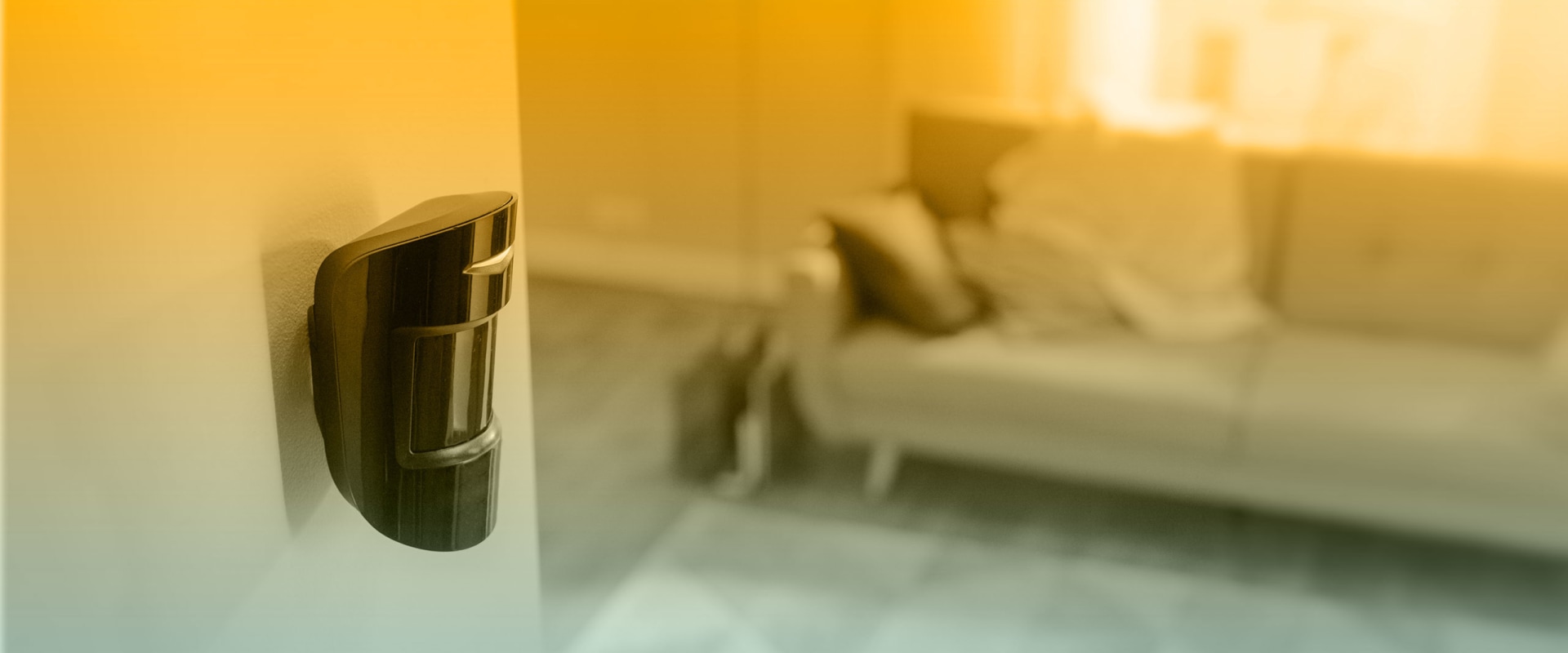
Sensor-activated lights rely on either passive infrared (PIR) technology or photocells to detect motion and light levels. These sensors must have a clear line of sight to work effectively. Even a thin layer of dust or pollen can reduce sensitivity, causing lights to misfire—either staying on unnecessarily or failing to activate when needed. In more extreme cases, accumulated grime can block sensors entirely, leaving dark zones around your home that compromise both safety and security.
This issue is especially common in areas close to landscaping. Sprinkler mist, insects, and organic growth often target fixtures near shrubs, walkways, or stone borders. Over time, these elements settle on the sensor lenses and surrounding surfaces, degrading functionality. Unfortunately, many homeowners only realize the problem when they notice lights staying on all night or not responding to movement at all.
Why Soft Washing Is the Best Maintenance Method
Unlike pressure washing, which can damage light housings or force water into electrical components, soft washing uses low-pressure water and biodegradable cleaning solutions to gently clean surfaces. This method effectively removes mold, algae, cobwebs, and dirt without putting sensors or wiring at risk. Soft washing is particularly effective for wall-mounted lights, garage perimeter fixtures, and lamp posts near the home’s foundation where buildup is most common.
Maintaining clean surroundings also improves lighting quality. Clean siding and reflective surfaces enhance the brightness and coverage of your lighting, making your entire property feel more secure and polished. Whether you’re preparing for guests, boosting nighttime curb appeal, or simply reducing your energy bill by improving efficiency, soft washing plays a crucial role.
Supporting Smart Home Systems and Renovation Investments
If your lighting system is tied into a larger smart home or security setup, cleanliness becomes even more important. Misfiring sensors can cause unnecessary alerts, strain system resources, or trigger false alarms. During renovations or seasonal upgrades, incorporating soft washing ensures that any new installations—like updated fixtures or smart cameras—have a clean and functional environment to operate in.
Professional services like Ragin Cajun Window Cleaning often bundle soft washing with exterior maintenance, providing a full-service approach that addresses not only windows and siding but also light fixtures and sensor housings. Their trained technicians know how to clean around delicate electronics while preserving both function and finish.
Final Thoughts: Clean Sensors, Safer Homes
Sensor-activated lighting systems offer incredible value—but only when they’re working correctly. Regular soft washing ensures that grime doesn’t interfere with detection, coverage, or performance. It’s a simple, safe, and smart investment in your home’s security, efficiency, and aesthetic. For homeowners with modern lighting features, soft washing isn’t just optional—it’s essential maintenance that keeps your system glowing strong all year round.