Understanding the Relationship Between Roofs and Lighting Efficiency
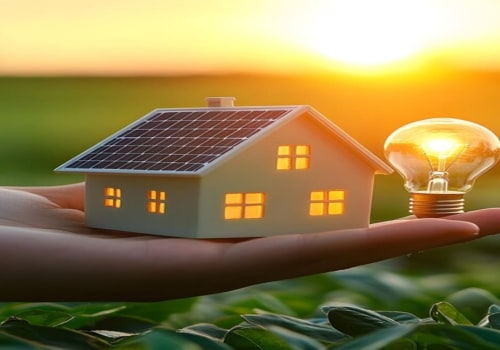
Energy efficiency in modern buildings depends on how multiple systems work together, not just on individual upgrades. While energy-efficient lighting often receives attention for its ability to reduce electricity consumption, the role of the roof is frequently overlooked. Reflective roofing materials are designed to deflect sunlight and reduce heat absorption, which directly affects indoor temperatures and lighting performance. When paired thoughtfully, reflective roofing and energy-efficient lighting create a synergistic effect that enhances comfort, efficiency, and long-term savings.
How Reflective Roofing Regulates Indoor Temperatures
Reflective roofing works by bouncing a significant portion of solar radiation away from the building instead of absorbing it. This reduces heat transfer into interior spaces, especially during warmer months. Cooler indoor environments lessen the strain on HVAC systems, helping maintain consistent lighting conditions without excessive heat buildup. Lower ambient temperatures also improve the performance and lifespan of energy-efficient lighting systems, as excessive heat can reduce bulb efficiency and longevity.
Maximizing the Impact of Energy-Efficient Lighting
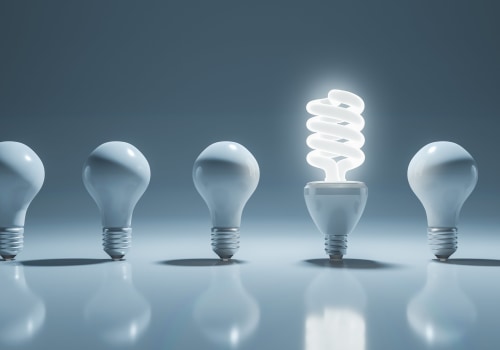
Energy-efficient lighting, such as LED systems, is designed to use less power while providing consistent illumination. However, lighting efficiency is influenced by surrounding environmental conditions. In overheated spaces, lighting systems may require additional cooling support, increasing overall energy use. Reflective roofing helps stabilize indoor conditions, allowing lighting systems to operate at peak efficiency. This balance ensures that the benefits of modern lighting technology are fully realized rather than offset by excessive heat gain.
Reduced Cooling Demand and Energy Savings
One of the most significant advantages of combining reflective roofing with energy-efficient lighting is reduced cooling demand. As indoor temperatures remain more stable, air conditioning systems run less frequently and at lower capacity. This reduction leads to measurable energy savings and lower utility bills. Roofing professionals, including Brisco Roofing, LLC, often highlight reflective roofing as a strategic upgrade that complements other energy-efficient improvements, creating a more balanced and cost-effective building system.
Improved Comfort and Productivity
Beyond energy savings, reflective roofing enhances occupant comfort, which indirectly supports lighting effectiveness. Cooler, evenly lit spaces reduce glare and minimize the discomfort caused by heat and harsh lighting conditions. In commercial and residential settings alike, this improved environment can lead to increased productivity, better focus, and greater overall satisfaction. When lighting and roofing systems are aligned, spaces feel brighter, cooler, and more inviting without relying on excessive artificial illumination.
Long-Term Sustainability and Building Performance
Reflective roofing and energy-efficient lighting also contribute to long-term sustainability goals. Lower energy consumption reduces a building’s carbon footprint and supports environmentally responsible design. Over time, these combined upgrades extend the lifespan of both roofing materials and lighting systems by reducing thermal stress. This integrated approach to energy efficiency helps property owners protect their investment while adapting to evolving energy standards.
A Smarter, Integrated Energy Strategy
Reflective roofing enhances the benefits of energy-efficient lighting by addressing heat management at the source. When these systems work together, buildings operate more efficiently, remain more comfortable, and deliver consistent savings year after year. Treating roofing and lighting as complementary components rather than separate upgrades allows property owners to achieve maximum performance and long-term value from their energy-efficient investments.