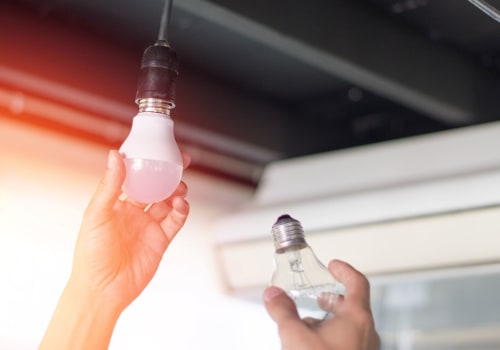
Planning a lighting upgrade for maximum efficiency begins with a thorough assessment of your existing setup. Many homes and commercial spaces still rely on outdated fixtures that consume more energy than necessary while providing inconsistent illumination. Start by identifying areas with poor lighting performance, high energy usage, or outdated bulbs such as incandescent or halogen options. Evaluating how each space is used will also help determine the type of lighting required—task lighting for work areas, ambient lighting for general use, and accent lighting for visual appeal. This step ensures that your upgrade is not only energy-efficient but also tailored to your specific needs.
Choosing Energy-Efficient Lighting Solutions
Once you understand your current setup, the next step is selecting energy-efficient alternatives. LED lighting has become the standard for modern upgrades due to its long lifespan, low energy consumption, and versatility. LEDs are available in various color temperatures and brightness levels, allowing you to customize the lighting atmosphere for each room. Additionally, incorporating smart lighting systems can further enhance efficiency by enabling automated schedules, dimming features, and remote control via mobile devices. These technologies help reduce unnecessary energy usage while improving convenience. Consulting a local electrician can also provide valuable insights into the best products and configurations for your specific property.
Designing for Functionality and Aesthetics
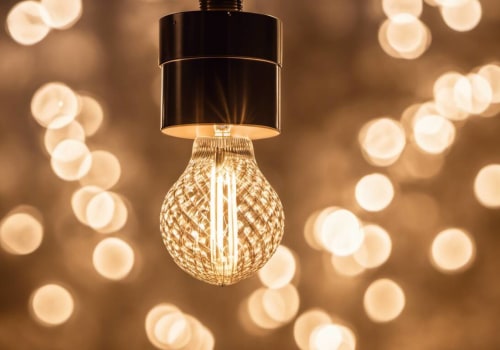
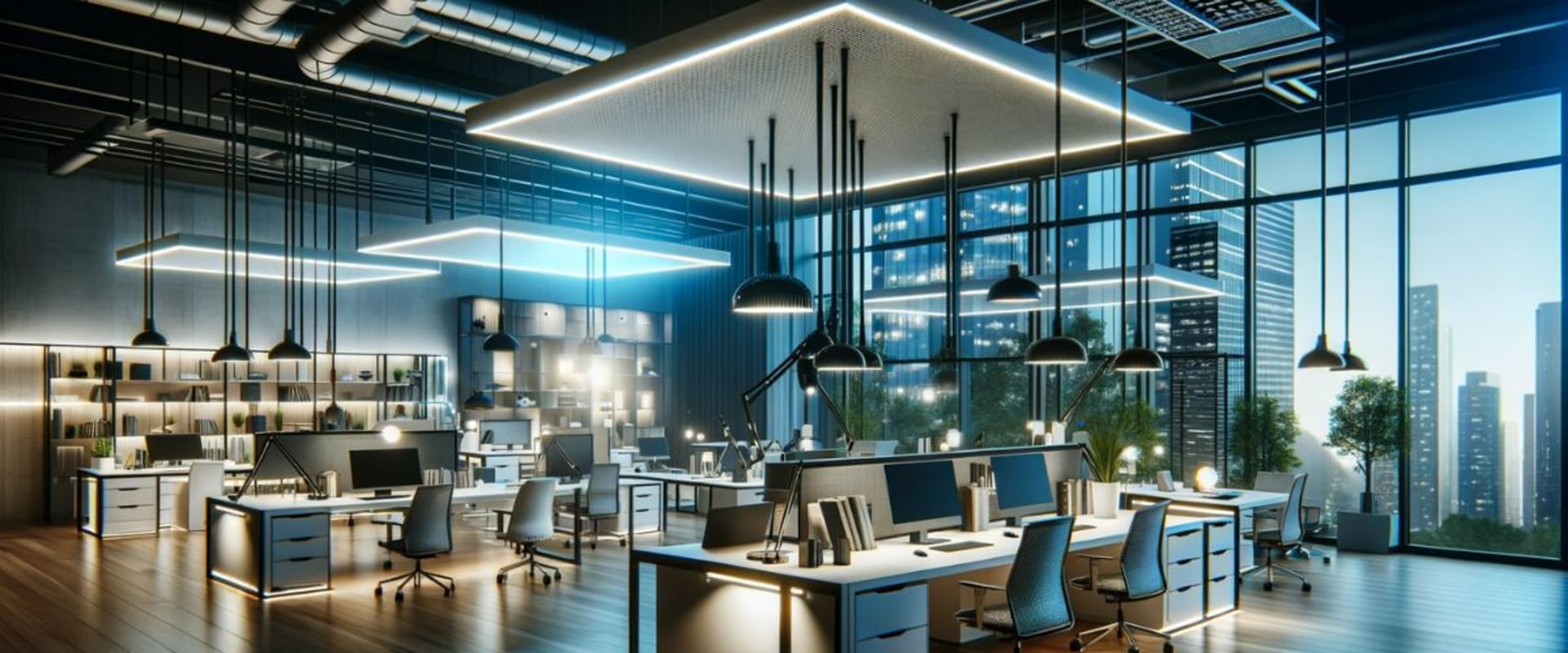
An effective lighting upgrade should strike a balance between functionality and aesthetics. Proper placement of fixtures is essential to eliminate dark spots and ensure even illumination throughout the space. Layered lighting design—combining ambient, task, and accent lighting—creates depth and enhances the overall look of a room. For example, recessed lighting can provide a clean, modern appearance, while pendant lights or wall sconces add character and style. It’s also important to consider natural light sources and how artificial lighting can complement them. By integrating both design and practicality, you can create a well-lit environment that is both efficient and visually appealing.
Optimizing Installation and Controls
Installation plays a crucial role in achieving maximum efficiency. Proper wiring, fixture placement, and system configuration ensure that your lighting operates safely and effectively. During installation, consider adding dimmer switches, motion sensors, or occupancy sensors to further reduce energy consumption. These controls allow lights to adjust automatically based on usage, preventing unnecessary energy waste. Zoning your lighting system—where different areas can be controlled independently—also adds flexibility and efficiency. Working with experienced professionals ensures that all components are installed correctly and meet safety standards.
Maintaining Long-Term Efficiency
After completing your lighting upgrade, ongoing maintenance is key to preserving its efficiency. Regularly cleaning fixtures, replacing damaged components, and updating system settings can help maintain optimal performance. Monitoring energy usage over time can also provide insights into how well your upgrade is working and identify opportunities for further improvement. As technology continues to evolve, staying informed about new lighting solutions can help you make future enhancements when needed. By taking a proactive approach to maintenance and upgrades, you can ensure that your lighting system remains efficient, cost-effective, and aligned with your long-term needs.