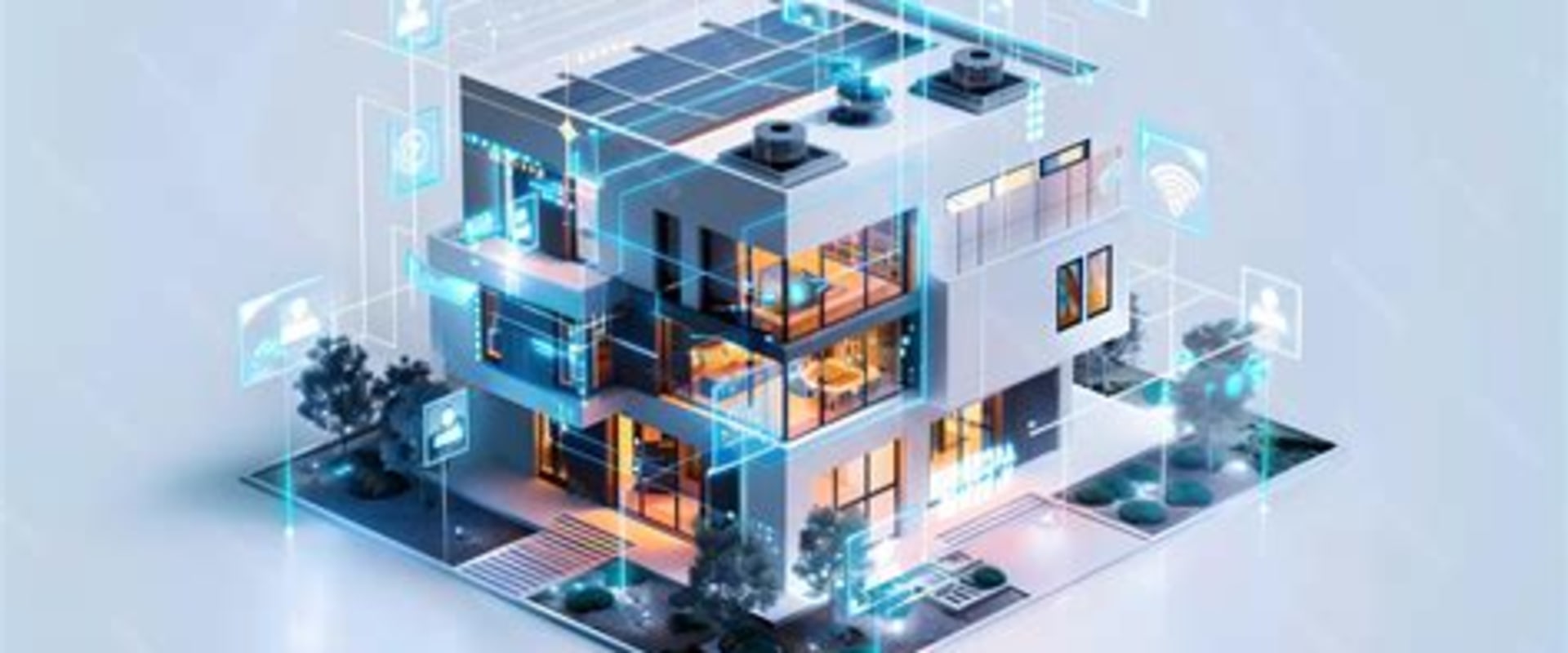
Energy-efficient lighting has become a key component of modern home design, especially when paired with smart HVAC and plumbing systems. These technologies are no longer isolated features; they work together to create a more responsive and efficient living environment. Lighting affects not only visibility but also heat generation, energy consumption, and even how HVAC systems perform. By integrating lighting strategies with other utilities, homeowners can achieve a balanced system that maximizes comfort while minimizing waste. This interconnected approach is essential for building homes that are both sustainable and highly functional.
Choosing Energy-Efficient Lighting Solutions
The foundation of any energy-efficient lighting strategy begins with selecting the right fixtures and technologies. LED lighting, for example, uses significantly less energy than traditional incandescent bulbs and produces less heat, which reduces the load on HVAC systems. Smart lighting systems allow homeowners to control brightness, color temperature, and scheduling through automated settings, ensuring that lights are only used when needed. These features not only lower energy consumption but also enhance convenience and adaptability within the home. By choosing efficient lighting options, homeowners can support the overall performance of their utility systems.
Reducing HVAC Load Through Smart Lighting
Lighting plays a direct role in influencing indoor temperatures. Traditional lighting solutions often generate excess heat, which can increase the workload on HVAC systems, especially in warmer climates. Energy-efficient lighting minimizes heat output, helping maintain stable indoor temperatures and reducing the need for additional cooling. When combined with smart thermostats and zoning systems, this approach allows for more precise climate control. Coordinating lighting with HVAC performance ensures that both systems operate efficiently, creating a comfortable environment without unnecessary energy use.
Supporting Plumbing Efficiency with Smart Systems
While lighting may not seem directly related to plumbing, smart home integration brings these systems closer together. Automated lighting can work in tandem with water-saving fixtures and smart plumbing systems to enhance overall efficiency. For example, motion-activated lighting in bathrooms or kitchens can be paired with touchless faucets or leak detection systems, creating a seamless and efficient user experience. This level of integration ensures that resources such as water and electricity are used responsibly, contributing to a more sustainable home. Working with experienced providers like Abacus Austin can help ensure that these systems are properly installed and aligned for optimal performance.
Enhancing Automation and Control
One of the biggest advantages of integrating energy-efficient lighting with HVAC and plumbing systems is the ability to automate and control multiple aspects of the home simultaneously. Smart home platforms allow users to create customized settings that adjust lighting, temperature, and water usage based on daily routines or occupancy. For instance, lights can dim automatically when natural daylight is sufficient, while HVAC systems adjust to maintain comfort levels. This level of control not only improves convenience but also ensures that energy is used efficiently throughout the home.
Creating a Sustainable and Comfortable Living Space
Ultimately, energy-efficient lighting strategies that work in harmony with smart HVAC and plumbing setups contribute to a more sustainable and comfortable living environment. By reducing energy consumption, minimizing heat output, and integrating advanced technologies, homeowners can achieve a balance between efficiency and functionality. This comprehensive approach not only lowers utility costs but also enhances the overall quality of life within the home. With careful planning and the right expertise, it’s possible to create a space where lighting and utility systems work together seamlessly, delivering long-term benefits for both the homeowner and the environment.