Modern home design increasingly emphasizes open spaces, energy efficiency, and stronger connections between indoor and outdoor environments. One of the most important features supporting these goals is daylighting, which involves maximizing the use of natural sunlight to illuminate interior spaces throughout the day. Homeowners today often prioritize brighter kitchens, living rooms, hallways, and home offices that rely less on artificial lighting and feel more visually open. While windows play a major role in daylighting design, roofing upgrades have become equally important in enhancing how natural light enters and moves through a home. Roof improvements can significantly influence interior brightness, energy performance, and overall comfort when integrated properly into modern architectural layouts.
Roof Design Influences Indoor Light Distribution
The roof affects much more than weather protection alone. Roof slope, orientation, attic structure, and material selection all influence how sunlight interacts with the home throughout different times of the day. During roof upgrades, homeowners may choose to add skylights, solar tubes, clerestory windows, or larger roof openings specifically designed to improve daylight penetration into interior areas. These additions help distribute sunlight deeper into the home, reducing the need for artificial lighting while creating a brighter and more inviting indoor environment. In many modern homes, carefully planned roof modifications allow natural light to reach spaces that traditional vertical windows cannot effectively illuminate.
Skylights and Roof Windows Expand Daylighting Opportunities
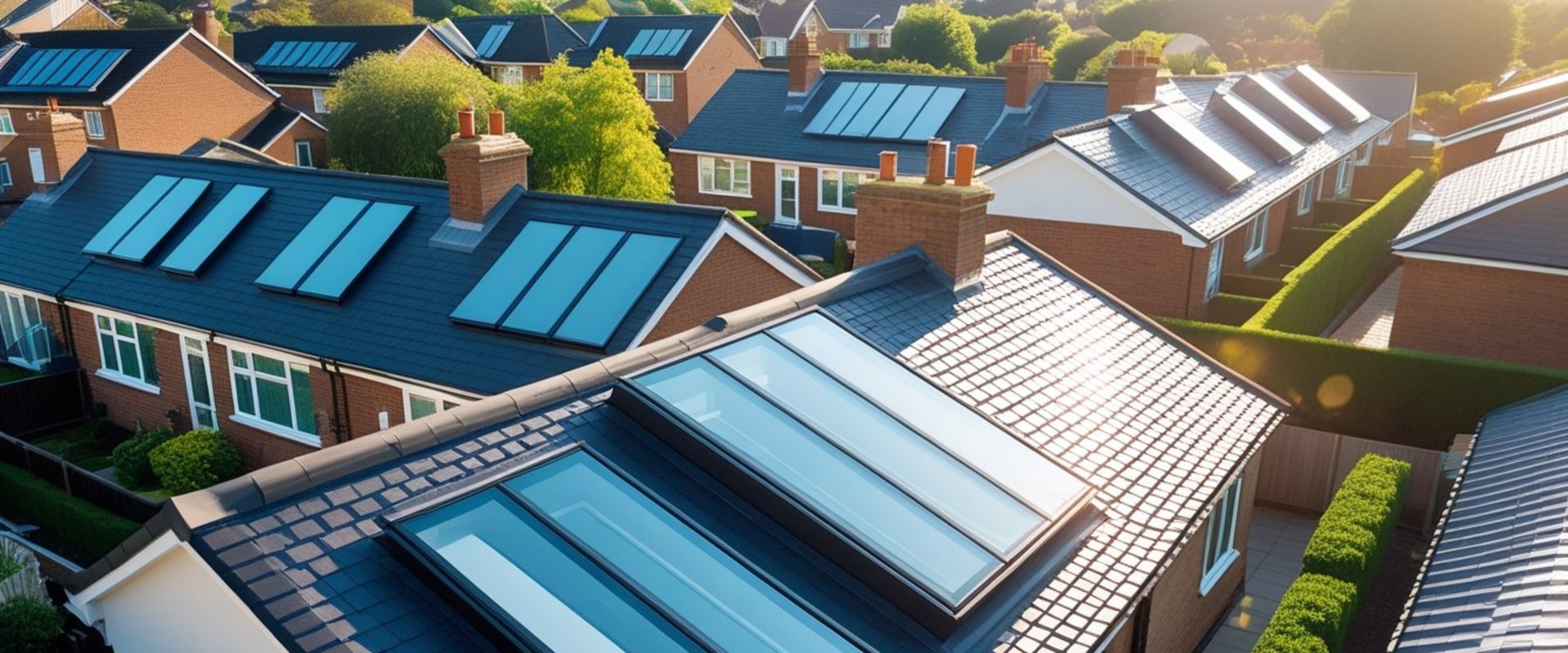
One of the most common ways roof upgrades enhance daylighting strategies is through the installation of skylights or roof windows. These features introduce overhead sunlight that often feels softer and more evenly distributed than light entering through standard wall windows. Kitchens, bathrooms, stairways, and central living spaces benefit especially from overhead natural light because these areas are sometimes located far from exterior walls. Modern skylight systems are also designed with improved insulation and energy-efficient glass technologies that help regulate indoor temperatures while maximizing daylight exposure. Roofing professionals frequently coordinate with architects and remodeling contractors to ensure skylight additions are properly integrated into the roof structure without compromising drainage or weather resistance.
Energy Efficiency Improves With Proper Roofing Upgrades
Roof upgrades designed for better daylighting can also contribute to improved energy efficiency when planned correctly. Natural light reduces dependence on electrical lighting during daytime hours, helping lower energy consumption throughout the home. Reflective roofing materials, upgraded insulation, and improved attic ventilation also work together to manage indoor temperatures more effectively while supporting daylighting goals. Without proper roofing integration, however, increased sunlight exposure could create unwanted heat buildup or glare issues inside the home. Companies such as A1 Roofing Services Mason City understand that balancing natural light with proper insulation, ventilation, and moisture protection is essential for achieving long-term comfort and energy performance.
Roof Ventilation Supports Comfortable Daylit Spaces
Modern daylighting strategies often involve larger glass areas and additional roof openings that influence indoor airflow and temperature control. Proper roof ventilation becomes especially important when skylights or other daylighting features are installed because trapped heat and humidity can reduce indoor comfort if airflow is not properly managed. Roofing upgrades frequently include ventilation improvements designed to release excess attic heat while maintaining balanced indoor temperatures. This helps homeowners enjoy naturally lit spaces without placing excessive strain on HVAC systems during warmer months.
Structural Planning Is Critical for Long-Term Success
Enhancing daylight through roof upgrades requires careful structural planning to ensure the roofing system continues performing effectively over time. Skylights, roof windows, and expanded openings must be properly framed and sealed to prevent leaks, condensation, or long-term moisture problems. Flashing systems and drainage design also play important roles in protecting the roof around daylighting features. When roof upgrades are professionally coordinated, homeowners can improve natural lighting while maintaining structural integrity and weather protection throughout the home.
Modern Roofing Enhances Both Function and Design
Roof upgrades have become an important part of modern architectural design because they support both functional and aesthetic goals. Improved daylighting creates brighter interiors, enhances visual openness, and contributes to more energy-efficient living environments. By integrating roofing improvements with natural lighting strategies, homeowners can create healthier, more comfortable spaces while also increasing the long-term value and performance of their homes.