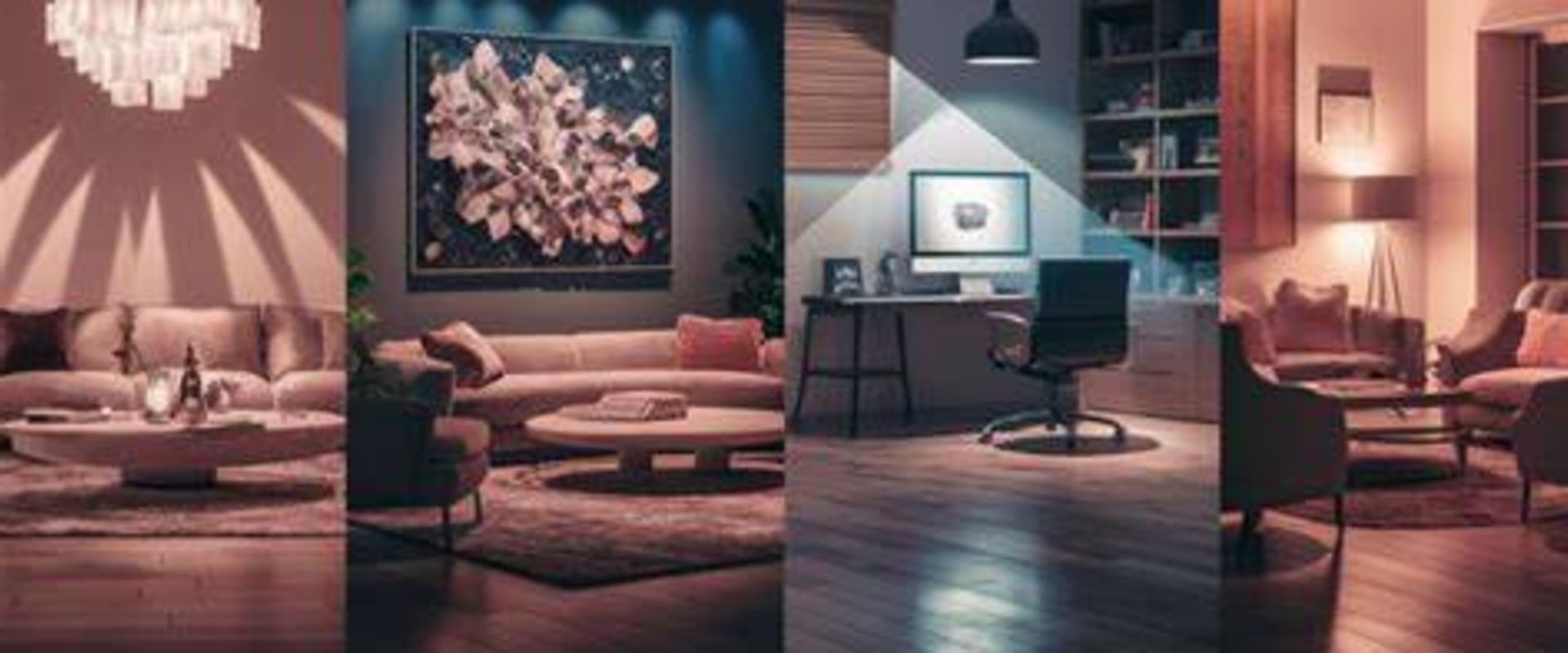
When homeowners think about lighting design, they often focus on aesthetics, ambiance, and visibility. Proper lighting certainly enhances the appearance of a home, improves comfort, and supports daily activities. However, lighting design also has a lesser-known impact on the performance and longevity of other residential systems. Thoughtfully planned lighting can reduce strain on HVAC systems, improve safety, support preventive maintenance efforts, and help homeowners use their living spaces more efficiently. By viewing lighting as part of a broader property management strategy rather than simply a decorative element, homeowners can unlock benefits that contribute to the long-term health and functionality of their homes.
Supporting More Efficient HVAC Performance
One of the most significant ways lighting design influences other home systems is through its relationship with heating and cooling. Traditional lighting technologies often generate substantial heat, particularly when used extensively throughout the home. Excess heat from lighting can increase indoor temperatures and place additional demands on air conditioning systems. Modern lighting solutions, such as energy-efficient LED fixtures, produce significantly less heat while delivering high-quality illumination. By reducing unnecessary heat generation, proper lighting design helps HVAC systems operate more efficiently, potentially decreasing wear on mechanical components and reducing energy consumption over time.
Encouraging Better Use of Living Spaces
Proper lighting can also improve how homeowners use and maintain different areas of the home. Well-lit spaces are more likely to be used effectively, cleaned regularly, and monitored for potential issues. Dark corners, poorly illuminated storage areas, and underused rooms often become locations where maintenance concerns go unnoticed. Adequate lighting makes it easier to identify leaks, cracks, moisture problems, pest activity, and other issues before they become more serious. This proactive visibility helps support preventive maintenance efforts and may reduce long-term repair costs.
Reducing Wear on Flooring and Interior Finishes
Another overlooked benefit of effective lighting design is its impact on interior materials and finishes. Homeowners who struggle with inadequate lighting often compensate by rearranging furniture, placing lamps in high-traffic areas, or increasing foot traffic near windows and naturally lit spaces. Over time, these habits can contribute to uneven wear patterns on flooring, rugs, and other interior surfaces. Thoughtful lighting distribution helps create a more balanced use of the home, reducing concentrated wear in specific areas and supporting more consistent preservation of interior finishes.
Improving Safety and Reducing Accidental Damage
Safety is another area where lighting design indirectly protects residential systems. Proper illumination in stairways, hallways, garages, utility rooms, and outdoor pathways helps reduce the likelihood of accidents that can damage property or building components. Improved visibility allows homeowners to navigate spaces more safely while minimizing accidental impacts to walls, doors, cabinetry, and fixtures. Companies such as Terry Brodnik Group Contracting and Home Services often recognize that effective home improvement strategies involve considering how different systems interact. Lighting is one of those elements that quietly supports the performance and protection of many other components throughout the property.
Supporting Smart Home and Energy Management Goals
Modern lighting systems increasingly integrate with broader energy management technologies. Automated controls, occupancy sensors, dimmers, and smart scheduling features help reduce unnecessary energy use while improving convenience. These systems contribute to more efficient operation of electrical infrastructure and can work alongside HVAC controls and other smart technologies to create a more coordinated approach to home performance.
A Valuable Part of Long-Term Home Care
Ultimately, proper lighting design does much more than brighten rooms. It helps reduce strain on HVAC systems, supports preventive maintenance, promotes balanced use of living spaces, enhances safety, and contributes to broader energy-efficiency goals. By incorporating thoughtful lighting strategies into home design and renovation plans, homeowners can improve both the functionality and longevity of multiple residential systems. Lighting may seem like a simple feature, but its influence extends throughout the home, making it an important part of any comprehensive property maintenance and improvement strategy.